The History and Tradition of Military Squadron Patches
Military squadron patches are more than embroidered insignia. They represent a unit's history, accomplishments, and mission.
From the early days of military aviation to today, squadron patches have connected service members to their units and missions.
At Aviator Gear, military patches remain popular among active-duty members, veterans, and collectors because they commemorate military service, unit accomplishments, and squadron traditions.
At Aviator Gear, military patches remain popular among active-duty members, veterans, and collectors because they commemorate military service, unit accomplishments, and squadron traditions.
The Origins of Squadron Patches
The tradition of military squadron patches can be traced back to the early days of military aviation. During World War I, aviation units began creating unofficial insignias and artwork to distinguish themselves from other units.
These early designs often featured animals, mythological creatures, mascots, or symbols that reflected the squadron's mission and personality.
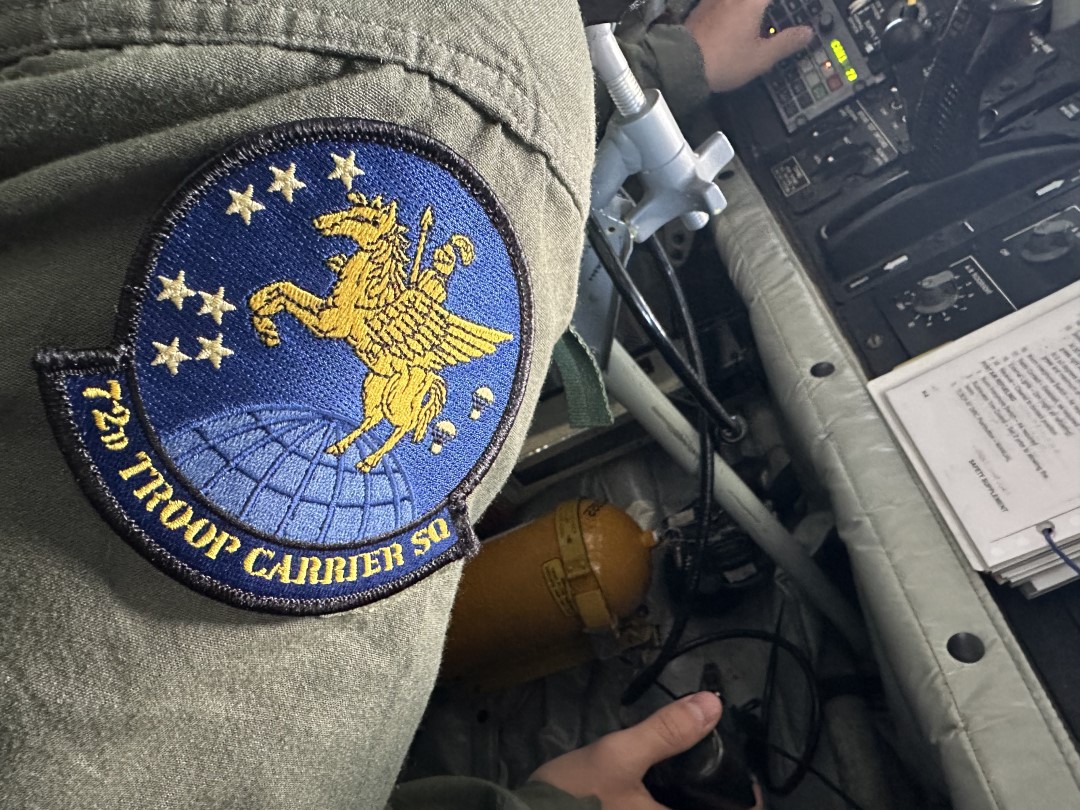
As aviation became more organized, military leaders recognized the value of unit insignia in building morale and esprit de corps. By the 1920s and 1930s, many flying squadrons had officially approved emblems that appeared on aircraft, documents, and eventually uniform patches.
These emblems represented a squadron's mission and accomplishments while helping build a sense of belonging among aircrew members.
World War II and the Rise of Squadron Identity
The importance of squadron patches grew significantly during World War II.
Thousands of new aviation units were formed, each developing its own emblem and traditions.
Squadron patches helped:
-
Identify specific units
-
Boost morale among deployed personnel
-
Build camaraderie and teamwork
-
Celebrate mission accomplishments
-
Preserve unit heritage
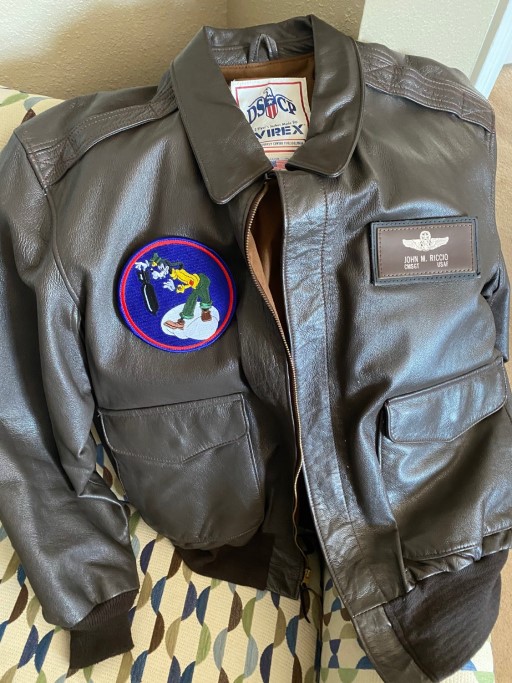
Many iconic squadron designs originated during this era. Cartoon-inspired artwork, fierce animals, bombs, lightning bolts, and patriotic imagery became common themes.
Some patches even incorporated humor, reflecting the personalities of the crews who flew dangerous combat missions.
Today, many active military squadrons still use emblems that originated during World War II, preserving a connection to their unit's history.
Symbolism Behind Squadron Patch Designs
Most military squadron patches include symbols that reflect the unit's mission, history, or values.
Animals
Eagles, hawks, wolves, tigers, and other animals often symbolize strength, speed, vigilance, and combat readiness.
Weapons and Aircraft
Aircraft silhouettes, missiles, swords, and lightning bolts highlight a squadron's operational mission and capabilities.
Colors
Different colors carry symbolic meanings. Blue often represents the sky and aviation, while red can symbolize courage and sacrifice.
Mottos
Many squadron patches feature unit mottos that reflect the squadron's values, mission, or history.
Together, these elements help represent a squadron's mission, history, and culture.
Building Pride and Esprit de Corps
One of the most important functions of a squadron patch is fostering unit pride.
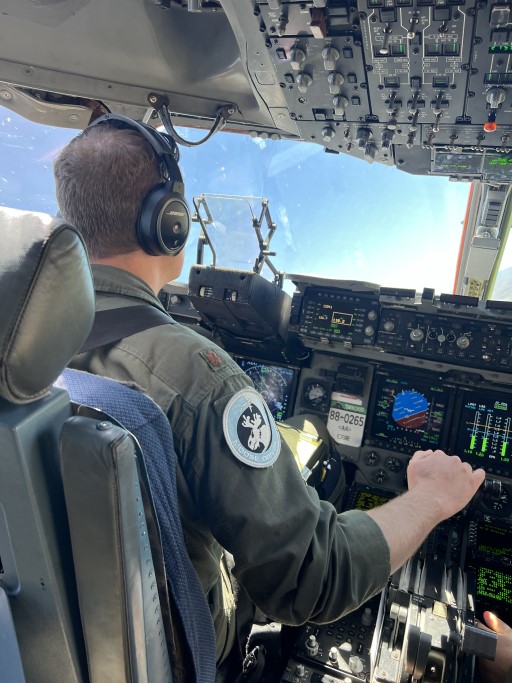
Military service often requires personnel to relocate frequently, deploy overseas, and operate in challenging environments. Squadron patches help unite service members under a common mission and unit culture.
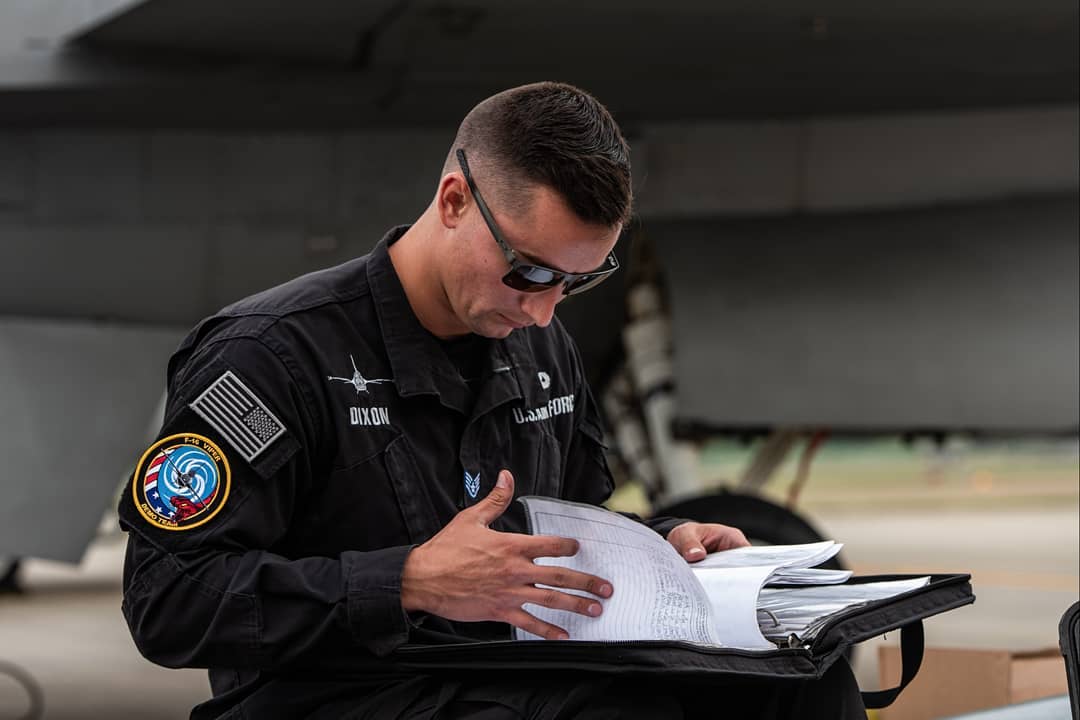
Wearing a squadron patch reinforces a service member's connection to the unit and its mission. The patch serves as a reminder of shared experiences, accomplishments, and the people who served alongside them.
This sense of connection has helped make squadron patches an enduring part of military culture.
The Tradition Continues Today
While military technology has evolved dramatically since the early days of flight, squadron patches remain an important part of military culture. Modern squadrons continue to design and wear patches that represent their missions and history.
Whether worn on uniforms, flight suits, or displayed in collections, squadron patches serve as lasting reminders of the units, accomplishments, and people they represent.
At Aviator Gear, we are proud to support this longstanding tradition by offering high-quality military squadron patches that honor the service and accomplishments of military units.
More than a century after the first aviation insignia appeared, squadron patches continue to represent the missions, achievements, and history behind each unit.